
Understanding
- Abrahamic Religions
-
📖 Definition
The Abrahamic religions are monotheistic faiths that trace their spiritual heritage to the patriarch Abraham. The three universally recognized traditions are Judaism, Christianity, and Islam.
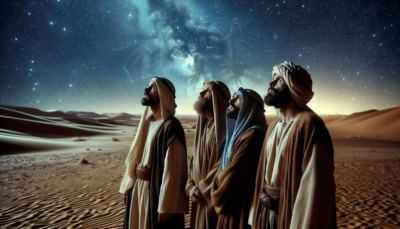
Abraham
as viewed by different religions🌍 Major Traditions (Mainstream)
Religion Key Connection to Abraham Distinctive Features Judaism Abraham as ancestor of the Israelites through Isaac Covenant with God, Torah as central scripture Christianity Abraham as “father in faith” (Romans 4) Jesus as Messiah, New Testament fulfillment of covenant Islam Abraham (Ibrahim) as prophet; Ishmael as ancestor of Arabs Qur’an as revelation, emphasis on Abraham’s submission to God 🌱 Minority Expansions
Some scholars and encyclopedias broaden the term to include smaller traditions. These are not universally recognized as Abrahamic but share elements of Abrahamic heritage. These groups are sometimes included in comparative religion studies, though most interfaith dialogue limits the term to Judaism, Christianity, and Islam.
- Bahāʾī Faith: Founded in 19th-century Persia, explicitly sees itself as part of the Abrahamic prophetic lineage (Abraham → Moses → Jesus → Muhammad → Bahāʾu’llāh).
- Druze: Originated in the 11th century from Islam, retaining Abrahamic roots but developing distinct esoteric beliefs.
- Rastafari: Emerged in Jamaica in the 20th century, reveres biblical figures and identifies with Old Testament traditions, though its classification as Abrahamic is rare and more cultural than theological.
- Mainstream consensus: Abrahamic religions = Judaism, Christianity, Islam.
- Minority usage: Bahāʾī, Druze, Rastafari sometimes included in comparative religion studies, but this is not standard.
- Reader note: If you’ve never heard of these groups in this context, that’s normal – most interfaith dialogue limits the term to the “big three.”
⚖️ Clarification
Discover more from Which god can save?
Subscribe to get the latest posts sent to your email.